
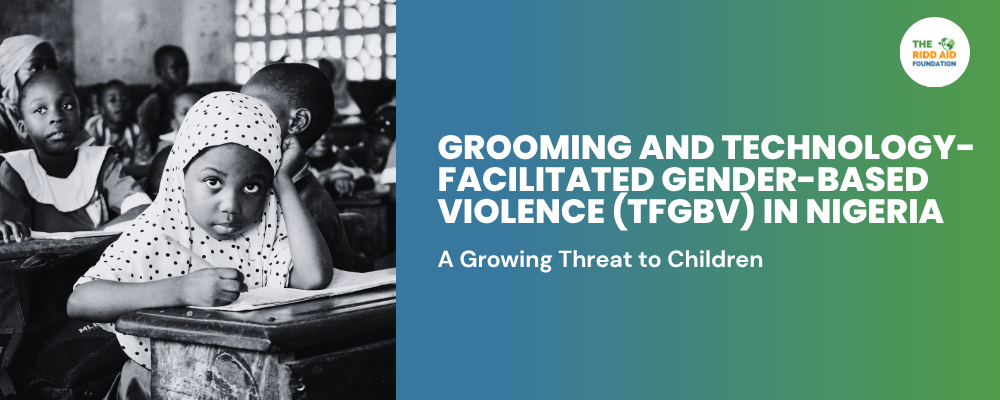
In Nigeria, the rapid growth of internet access and smartphone use among young people has created both opportunities and grave dangers. Digital platforms that could foster education, social connection, and creativity have become breeding grounds for Technology-Facilitated Gender-Based Violence (TFGBV), including the harmful practice of online grooming targeting children.
The reality is stark: Nigerian children face escalating risks of online sexual exploitation and abuse. Studies indicate that predators exploit the anonymity and reach of social media to groom children, often posing as peers or benefactors offering money, data, or emotional support. These tactics lure vulnerable children into sending explicit content, which is frequently circulated or sold illegally, leaving victims trapped by shame and fear of exposure.

A recent investigation conducted by the Punch newspaper revealed that many children are unaware that their images have gone viral, and some victims have lost hope in justice due to weak law enforcement and limited digital literacy among parents. This crisis threatens to rob Nigerian children not only of their childhood innocence but also of their safety and futures.
The roots of this problem are complex. Nigeria’s entrenched gender inequalities and patriarchal norms, combined with insufficient legal frameworks and enforcement, have allowed TFGBV to flourish largely unchecked online. Many perpetrators act with impunity, while victims often face stigma and silence. Although the Violence Against Persons Prohibition (VAPP) Act exists, it is not uniformly adopted nationwide and does not fully address technological abuses.
Efforts are underway to combat this scourge. Initiatives like the Action Against Child Sexual Abuse Initiative (ACSAI) have run large-scale campaigns promoting child online safety and reporting mechanisms, reaching millions of Nigerians and achieving substantial increases in hotline reports. These community-driven campaigns seek to educate young people that actions like sextortion, cyberbullying, and non-consensual sharing of intimate images are illegal and harmful.
To effectively protect children in Nigeria, a comprehensive approach is essential. This includes harmonising data collection on TFGBV and online grooming, strengthening legal and policy frameworks with clear mandates for technology platforms to prioritise safety by design, and raising digital literacy among parents, educators, and youth. Importantly, support systems for victims must be trauma-informed and accessible to restore hope and healing.

In conclusion, online grooming in Nigeria is a critical manifestation of Technology-Facilitated Gender-Based Violence that demands urgent attention. Safeguarding Nigerian children’s digital rights and safety is a national and global priority. Only through coordinated legal, social, and technological efforts can the tide of online harm be reversed, ensuring a safer digital future for the country’s youth.