
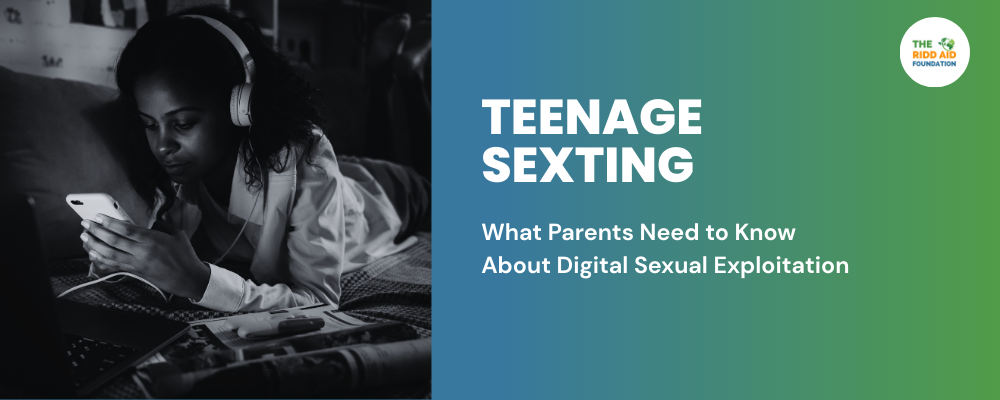
The digital world has become a normal part of childhood in Nigeria. Phones, chats, and social media now shape how young people learn, play, and connect. Sadly, they also expose children to dangers they are not emotionally ready to understand. One of the fastest growing threats is sexting. Imagine your 14-year-old daughter in Lagos getting a Snapchat request from a “cute boy” who pressures her for a nude photo, then demands money to keep it private. Many Nigerian children begin sending or receiving sexually explicit messages, images, or videos as early as ages twelve to fourteen. It starts as curiosity or peer pressure but quickly becomes a door to predators, sextortion, and serious legal consequences. Parents cannot afford to ignore this reality.
Sexting thrives because smartphones are now in the hands of even the youngest teens. What begins as innocent chatting can shift into requests for photos. Some children give in because they want to feel liked or accepted. Others are manipulated by older individuals pretending to be their age. Once the first image is sent, the danger escalates. A disturbing number of Nigerian cases now involve sextortion. This is when someone threatens to expose a child’s explicit image unless the child sends more pictures, money, or other favors. It is emotional torture that leaves many teenagers terrified and trapped.
Nigeria’s legal framework is clear. The Cybercrimes Act of 2015 prohibits the electronic sharing of pornographic or indecent material. Violators can face up to three years in prison or fines that reach seven million naira. Revenge porn is also criminalised under the Cybercrimes Act and the Criminal Code. Threatening to share explicit images without consent is a punishable offence. Parents must understand that even if a child participates in sexting innocently, the consequences can involve both legal risks and long term emotional harm.
This is why parental awareness is no longer optional. Children need adults who will discuss sex, consent, digital safety, and online behaviour without shame or panic. Parents must be willing to set boundaries, monitor online activity, and create an environment where a child can speak up if something feels wrong. Many victims stay silent because they fear blame or punishment. Open communication is the strongest defence a family can build.

5 Steps to Protect Your Teen Now
- Talk openly daily: Ask, “Who are you chatting with?” Use dinner time, no judgment, just facts on risks.
- Set phone rules: No devices in bedrooms; review apps like Instagram, TikTok weekly.
- Teach “say no” power: Role-play rejecting pressure; explain once sent, images never vanish.
- Use tools: Install parental controls like Qustodio; enable privacy settings on all apps.
- Spot red flags: Secretive phone use, anxiety, or sudden cash requests? Act fast call helplines like NAPTIP
To support parents, a comprehensive digital safety guide has been created. It explains how to recognise warning signs, understand the relevant laws, and take practical steps to protect children from sexting related exploitation. The guide is written in simple language so every parent, regardless of digital knowledge, can follow and act.
Sexting is not a trend that will disappear. It is the new entry point for digital sexual exploitation in Nigeria. Parents who understand the risks, the laws, and the preventative measures are better prepared to protect their children from harm. Acting early is the difference between safety and tragedy.
Download Your Free Digital Safety Guide
Equip yourself today. Grab our free guide packed with checklists and scripts for tough talks, and hotlines for sextortion crises. Download now at [http://bit.ly/4a1PsuV] and join parents shielding their kids.