In September 2024, a video went viral across Nigerian social media. It showed students at Excel College in Lagos smoking what appeared to be marijuana in their school hostel. The footage sparked outrage. Parents demanded answers. The government launched investigations. But beyond the anger and the headlines, the video revealed something many of us have been reluctant to acknowledge: substance abuse among young Nigerians isn’t just happening in “bad neighborhoods” or with “troubled kids.” It’s happening in our schools, our communities, our homes. And it’s happening far more often than we want to admit.
When 15-year-old Chidi walked into his school counselor’s office, he wasn’t looking for help with homework. He was looking for a way out, out of the cycle of substance abuse that had quietly consumed his life over the past year. His story isn’t unique. Across Nigeria, millions of young people are fighting a battle that often goes unnoticed until a viral video forces us to pay attention, or until it’s too late.
The numbers tell a story that should alarm us all: one in seven Nigerians between ages 15 and 64 struggles with drug abuse. That’s 14.3 million people. And our young people between 15 and 25 are among the most vulnerable. In some university settings, prevalence rates have climbed as high as 45.7%. These aren’t just statistics. They’re our children, siblings, students, and neighbors.
The Excel College incident wasn’t just about poor supervision, though that played a role. According to the school’s later statement, the videos that went viral actually showed two separate incidents, one involving a parent who brought non-alcoholic wine to celebrate her son’s birthday, and another showing students experimenting with smoking in what they called a “pass and puff” game during holiday classes. The students involved were eventually expelled from the hostel and barred from their graduation ceremony.
But here’s what the investigations and consequences miss: Why were these students drawn to substances in the first place?
The path to substance abuse rarely begins with a single decision. Instead, it’s a convergence of pressures and vulnerabilities that many adolescents face. Peer pressure plays a massive role in social circles where drug use has become normalized, young people face immense pressure to fit in. That “pass and puff” game at Excel College? That’s peer pressure wearing the disguise of fun.
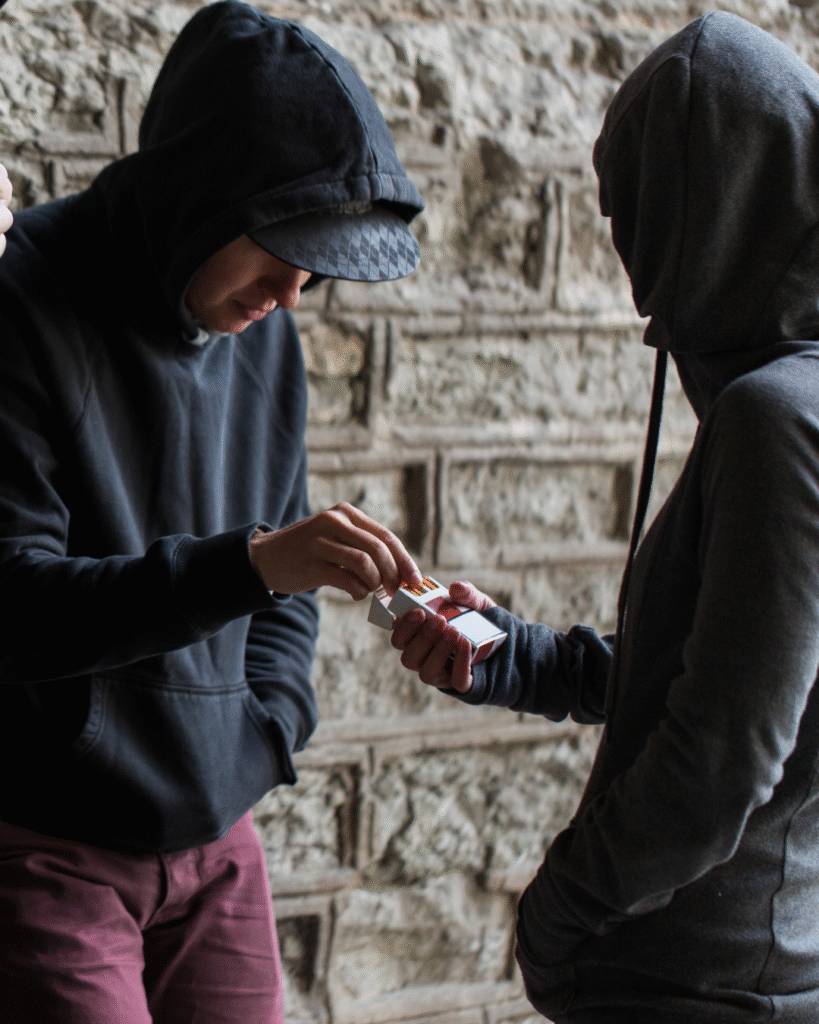
Many adolescents also lack comprehensive information about the real risks of substance abuse. Without proper education, curiosity becomes a crisis. They hear conflicting messages: adults who drink and smoke telling them not to, peers saying it’s harmless, and very few honest conversations about what substances actually do to developing brains and bodies.
Then there are the emotional struggles. Stress from academic pressure, anxiety about the future, depression, trauma these drive many young people to self-medicate. Without proper mental health support systems, substances become a dangerous coping mechanism. And unlike previous generations, today’s young people have unprecedented access. Despite regulations, drugs remain readily available through peers, in communities, and increasingly through online platforms.
Economic pressures compound everything. In a country where youth unemployment is high and opportunities can feel limited, substance abuse often takes root in environments of hopelessness.
The Cost of Silence
When a young person becomes trapped in substance abuse, the consequences ripple outward in every direction. Students struggling with addiction see their grades plummet and their dreams of higher education fade. Some drop out entirely. Families are torn apart as parents and siblings bear the emotional and financial burden of watching their loved ones struggle. The connection between substance abuse and crime is well-documented. Communities become less safe as addiction drives desperate behavior.
Nigeria loses immense human capital and potential. Young people who could be building businesses, serving communities, and driving innovation are instead caught in cycles of addiction. Our healthcare system strains under the weight of treating overdoses, long-term organ damage, and the mental health complications that accompany substance abuse.
But perhaps the most devastating cost is the one we rarely talk about: the loss of hope. When young people turn to substances, they’re often trying to escape pain or fill a void. What they find instead is a trap that makes the pain worse and the void deeper.
Here’s the truth we need to hold onto: substance abuse among young people is preventable. We’re not powerless in the face of this crisis.
The Lagos State Government’s response to the Excel College incident demonstrated one aspect of what’s needed: swift investigation, accountability, and zero tolerance. The school itself implemented new measures: relocated the senior students’ reading room for better oversight, increased staff surveillance, and enhanced counseling access. These are important steps.
But prevention means reaching young people before they experiment, before peer pressure wins, before substances seem like a solution. And recent successes show us exactly how to do this.
In 2024, the MTN Foundation’s Alcohol and Substance Abuse Prevention (ASAP) program reached 87,000 students across Nigerian schools. This comprehensive approach combined early education, peer support, and community engagement. It worked because it didn’t rely on scare tactics or empty lectures. Instead, it equipped young people with real information, real skills, and real support.
Effective prevention starts with honest, age-appropriate education before experimentation begins. When young people understand the actual risks to their developing brains, their futures, their health they’re better equipped to make informed choices. But this education can’t happen in isolation. We need to create safe spaces where adolescents can ask questions, share struggles, and seek help without fear of judgment or punishment.
Peer-to-peer programs work because young people listen to other young people. Trained peer educators can reach their friends in ways adults sometimes cannot. They speak the same language. They understand the pressures. They can call out the “pass and puff” game for what it really is before someone gets hurt.
Family engagement is equally critical. Parents and guardians need tools to have open conversations about drugs and alcohol, to recognize warning signs, and to support their children effectively. Many parents in the Excel College case only learned about the incidents when videos went viral. Imagine if those conversations had happened earlier, in safer contexts.
Real change requires everyone working together with schools, religious organizations, community leaders, healthcare providers, and young people themselves. When these groups collaborate, they create a safety net that catches young people before they fall.
At The Ridd Aid Foundation, we’re working to shift the conversation from reaction to prevention. We believe every young person deserves a future free from the grip of substance abuse. We’re building comprehensive prevention programs designed specifically for Nigerian adolescents programs that recognize the unique cultural, social, and economic contexts in which our young people live.
Our approach centers on empowerment, not lectures. We’re creating spaces where young voices are heard, concerns are validated, and agency is respected. We’re building partnerships with schools, parents, community leaders, and local organizations to create comprehensive support networks. Everything we do is grounded in research and proven approaches, adapted to meet the specific needs of Nigerian youth.
Prevention works. But it requires investment of resources, attention, and care. It requires us to stop being silent about substance abuse until a video goes viral, and instead start having honest conversations today.
Whether you’re a parent worried about your child, an educator seeing warning signs in your classroom, a community leader looking for solutions, or someone who simply cares about Nigeria’s future there’s a role for you in this fight.
Parents start conversations early and often. Create a home environment where your children feel safe asking difficult questions. Learn the warning signs of substance abuse: changes in behavior, mood swings, new friend groups, declining grades, secretiveness. Remember that seeking help is strength, not failure.
Educators, your classroom can be a safe space. Look beyond academic performance to notice the whole student. Connect struggling students with resources and support. Be the adult who notices when something is wrong.
Young people, if you or someone you know is struggling, know this: you are not alone, and help is available. Reaching out takes courage, but it’s the first step toward freedom. You don’t have to figure this out by yourself.
Community leaders, use your platform to break the silence around substance abuse. Advocate for prevention programs. Challenge the stigma that keeps people from seeking help. Create environments where young people can thrive.
The Excel College incident could have been a tragedy. Instead, because someone noticed and acted, those students got a second chance. They were disciplined, yes, but they were also allowed to complete their exams after expressing remorse. That’s the balance we need—accountability paired with compassion, consequences paired with support.
A Future Worth Fighting For
Chidi’s story, the 15-year-old who walked into that counselor’s office doesn’t have to end in tragedy. With the right support, information, and community backing, young people like him can break free from substance abuse and reclaim their futures.
That’s the future we’re building at The Ridd Aid Foundation. A future where Nigerian adolescents have the knowledge to make informed choices, the support to navigate challenges, and the opportunities to thrive. Where viral videos about youth substance abuse become rare because we’ve done the prevention work. Where every young person knows they matter, their future matters, and help is always available.
The silent epidemic of youth substance abuse doesn’t have to continue silently. Together, we can break the cycle. But we have to start now before the next video goes viral, before the next young person loses hope, before the next family is torn apart.
Join us in creating lasting change. Whether through partnership, volunteering, or simply spreading awareness, your involvement matters. Because every young person deserves a chance to build the future they dream of free from the chains of addiction.
Connect with The Ridd Aid Foundation: theriddaidfoundation.org
The Ridd Aid Foundation is a nonprofit organization committed to building a brighter future for children and adolescents in Nigeria through education access, sexual health awareness, and substance abuse prevention.