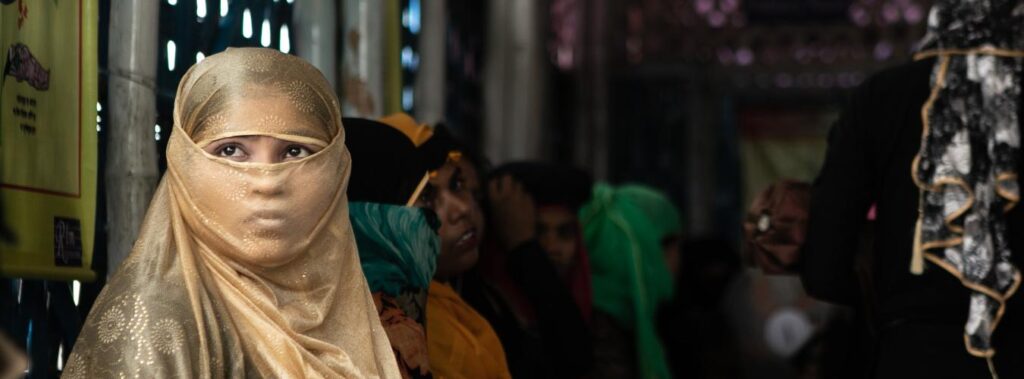
Across the world, many children and young people continue to suffer from sexual abuse, exploitation and other forms of misconduct. This problem is widespread, affecting every region and community regardless of economic or social status.
Children, particularly girls, face a significantly higher risk of being coerced into sexual acts or exploited for sexual purposes. This vulnerability exists both online and offline, and it often worsens during periods of armed conflict or humanitarian emergencies.
Today’s global realities add new layers of risk. The lingering effects of the COVID-19 pandemic, ongoing conflicts, climate-related crises and natural disasters have deepened inequalities. Growing poverty and long-standing discrimination reinforce the conditions that expose children to abuse, exploitation and violence. Survivors of these violations often carry the impact for many years. Their physical, emotional and sexual health may be affected, and in the most severe cases, the trauma can amount to cruel or degrading treatment.
Many children never speak about what happened to them. Feelings of shame, fear of not being believed, or lack of support keep them silent. For those who do not disclose their experiences, the long-term consequences can be particularly heavy, shaping their sense of self, their relationships and their overall wellbeing across their lifetime.
The 2030 Agenda for Sustainable Development recognises the dignity of children and the need to protect them from all forms of violence. Several goals and targets within the agenda commit nations to ending exploitation, abuse, trafficking and torture. The agenda also calls for the elimination of harmful practices such as child marriage and female genital mutilation, which increase the likelihood that children will face sexual abuse, exploitation and violence.
Click the link below to learn more: